Price the whole batch. Not just the candy.
A practical framework for finding your cost per bag, contribution, and break-even point.
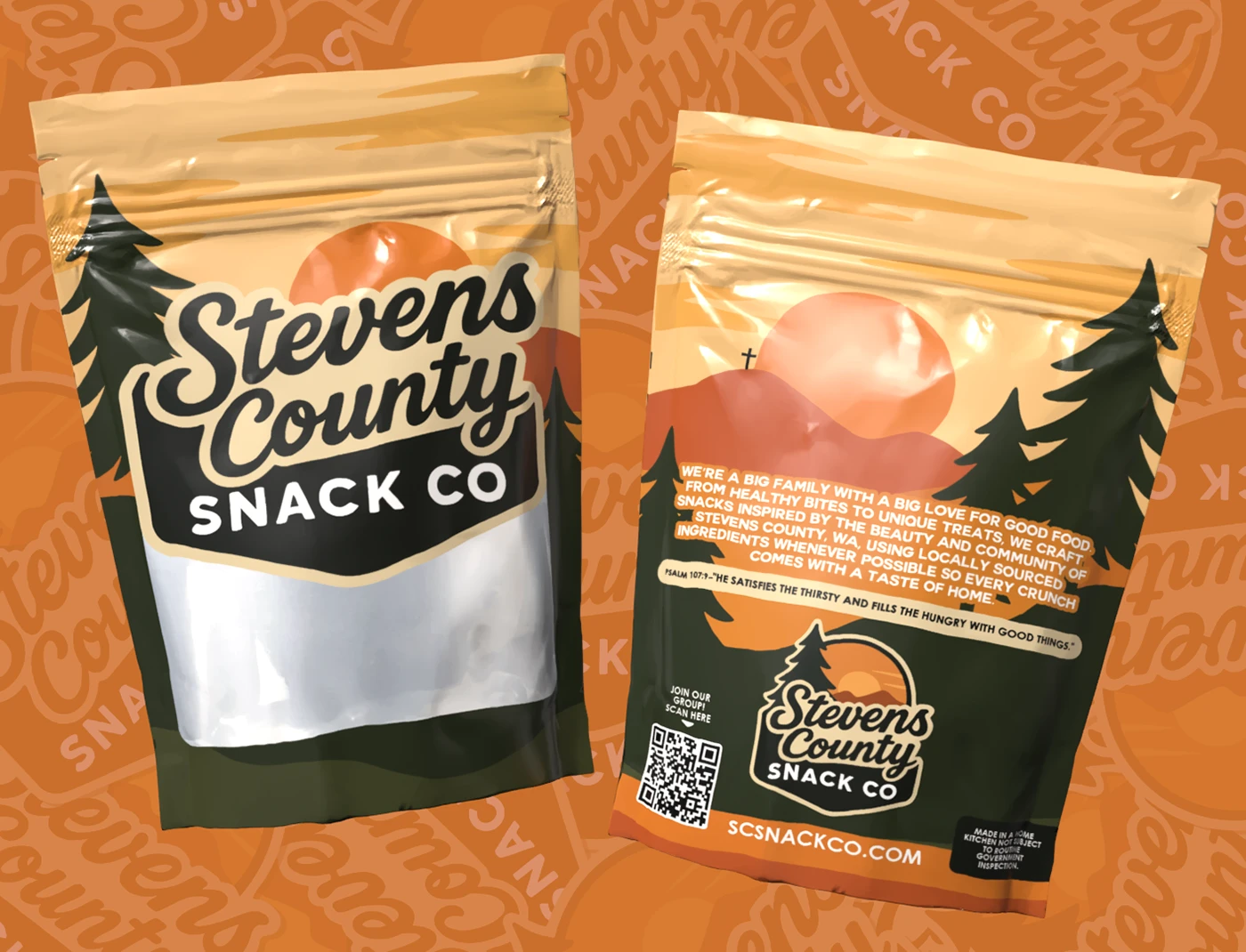
A bag can look profitable while the batch quietly loses money. Start with what the batch actually costs, then divide by bags you can actually sell.
1. Keep one batch record
Make a simple record with the batch date, candy input, finished saleable bags, ingredients, packaging, electricity estimate, and hands-on labor. Count damaged, sample, and rejected bags separately. A sample may help sell a batch, but it still uses candy and packaging.
Record hands-on work rather than assuming the machine's entire run time is paid labor. Include preparation, unloading, packing, labeling, and cleanup. Choose an hourly rate for your time even if you are not paying yourself yet; otherwise the business can appear more profitable than it is.
2. Divide by saleable output
If a hypothetical batch costs $100 and produces 40 saleable bags, its allocated batch cost is $2.50 per bag. If only 32 bags are saleable, the same batch costs $3.13 per bag. These are illustrative figures, not industry averages.
Use finished output from your own batch records. Different recipes, bag sizes, and rejected output can change the result. Compare like-sized products and keep a consistent method across batches.
3. Separate margin from markup
At a $6 selling price and $2.50 allocated cost, the difference is $3.50 before costs not included in the batch. Markup divides that difference by cost; margin divides it by selling price. They answer different questions and are not interchangeable.
Payment processing, discounts, returns, shipping subsidies, event fees, equipment, insurance, and other overhead can reduce the amount left. A positive batch contribution is not a promise of net profit.
4. Test one change at a time
Compare two bag sizes, a single-bag offer and a bundle, or two prices across comparable events. Record units sold and total contribution, not just revenue. A busier table does not necessarily earn more after discounts and extra labor.
Use the batch calculator to explore your own inputs, then add the selling costs specific to your channel before making a pricing decision.
Examples are illustrative unless stated otherwise. These guides use AI-assisted drafting and do not represent product tests or guaranteed business results. Read our editorial approach.